


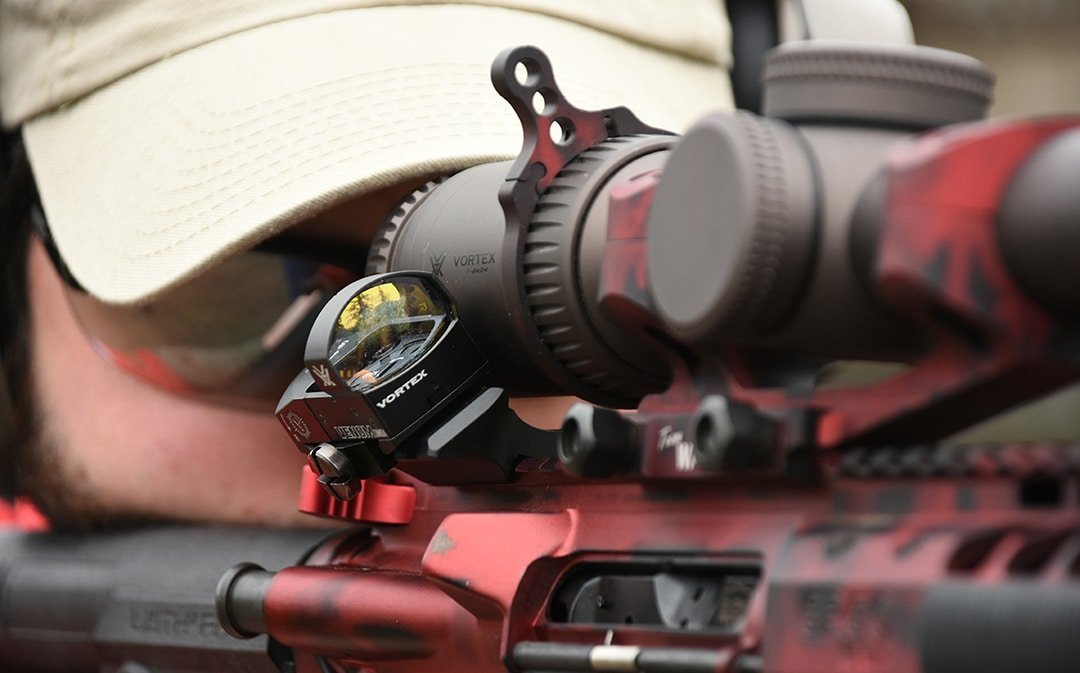
Selecting the Right Optic for You
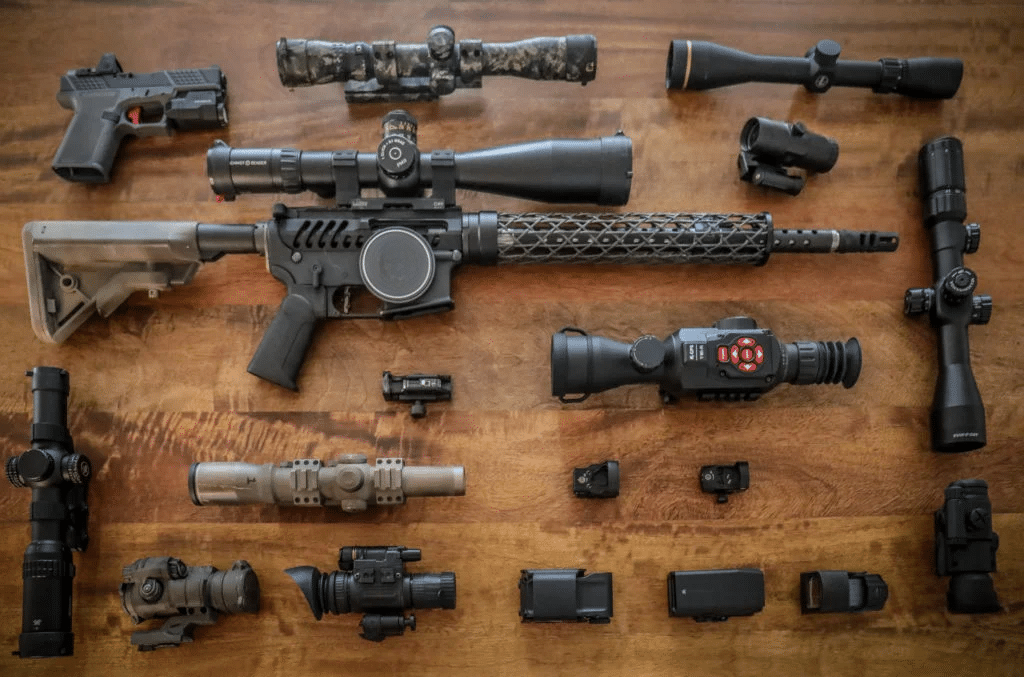
Choosing the right optic for your firearm is crucial for enhancing your shooting experience and improving accuracy. With a variety of options available, including red dots, low power variable optics (LPVOs), and long-range scopes, it’s essential to understand what each type offers and how they can meet your specific needs. In this article, we will explore the different categories of optics, their advantages, and how to select the right one for your shooting style.
Whether you’re a seasoned shooter or a newcomer to the world of firearms, making an informed decision about optics can significantly impact your performance. From understanding the basics of how these devices work to practical installation tips, this guide will equip you with the knowledge you need to choose the perfect optic for your firearm.
Understanding the Basics of Optics for Your Firearm
Optics are essential tools that enhance your shooting capabilities by helping you accurately aim at targets. They work by magnifying the image of your target and providing a clearer sight picture, which is crucial for improving accuracy and consistency. Understanding the different types of optics and their functionalities is the first step in making an informed decision about what to choose for your firearm.
There are various types of optics available on the market today, each designed for specific shooting scenarios. Familiarizing yourself with the basic principles of optics, such as magnification, reticle types, and adjustments, will help you to better understand how they can affect your shooting experience and performance.
What Are Red Dots and When to Use Them?
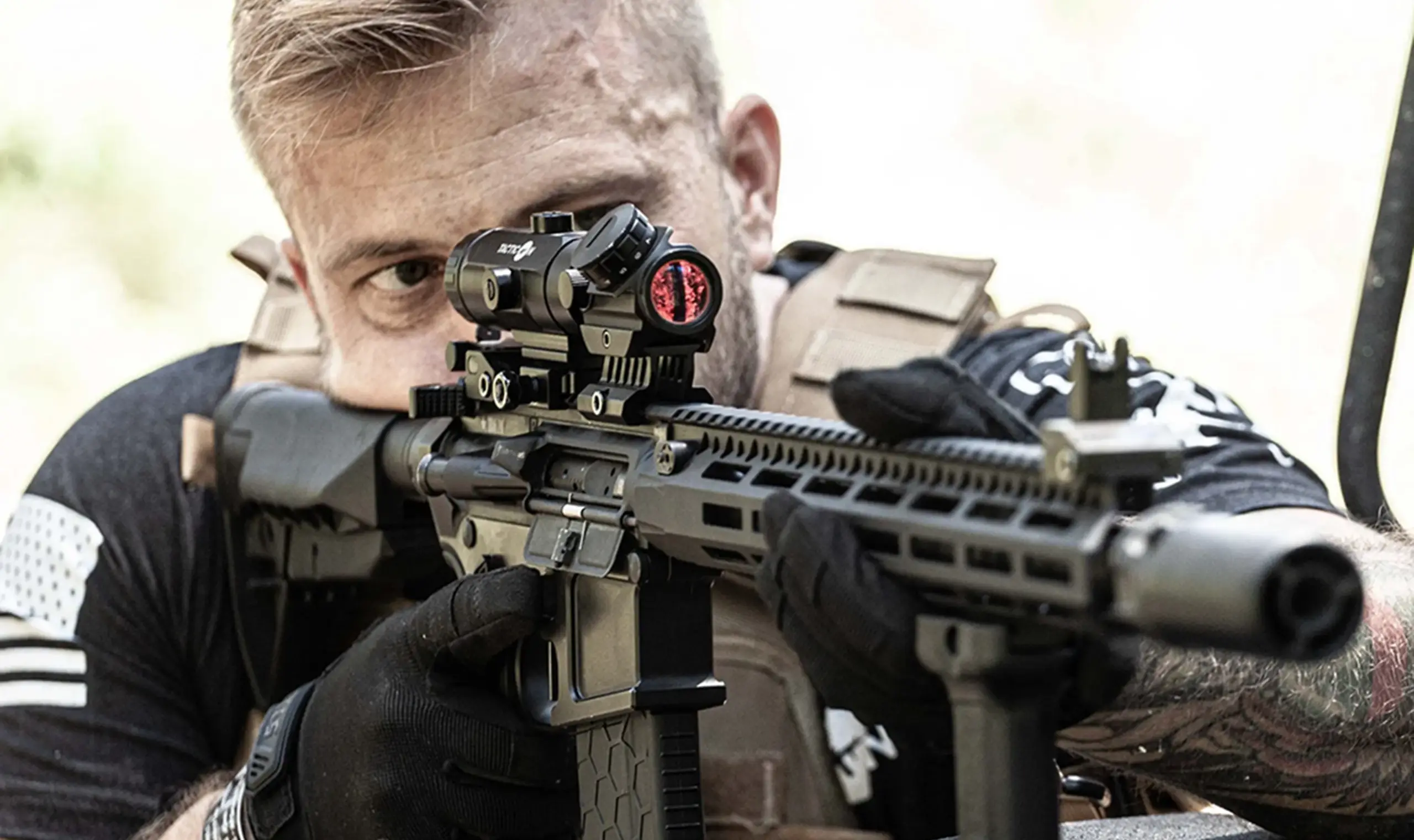
Red dot sights are a popular choice for shooters who prioritize speed and accuracy at close ranges. These optics utilize a LED light to create a red dot on the lens, allowing shooters to quickly acquire targets without the need for magnification. Red dots are particularly effective for competitive shooting, tactical applications, and hunting in densely wooded areas where rapid target acquisition is crucial.
One of the main advantages of red dots is their ability to provide a wide field of view, which is beneficial when engaging moving targets. Additionally, they are typically lightweight and easy to mount on various firearms, making them a versatile option for many shooters. If you primarily engage targets at shorter distances, a red dot sight may be your ideal optic.
LPVOs: Versatility for Close to Mid-Range Shooting
Low Power Variable Optics (LPVOs) offer a unique combination of versatility and functionality, making them a great option for shooters who require adaptability in their optics. These scopes typically feature a magnification range from 1x to 8x or even higher, allowing the user to engage targets at various distances. This versatility makes LPVOs ideal for both tactical situations and hunting environments.
LPVOs are particularly beneficial for shooters who may encounter situations where they need to switch rapidly between close and mid-range targets. The ability to zoom in or out without needing to change optics allows for greater flexibility and quicker response times in dynamic shooting scenarios.
Long-Range Scopes: Precision for Distant Targets
Long-range scopes are designed for precision shooting at extended distances, often featuring high magnification levels and advanced reticle systems. These optics allow shooters to make accurate shots at distances exceeding 500 yards, making them ideal for long-range hunting, competitive shooting, and tactical applications.
The design of long-range scopes focuses on clarity and detail, often incorporating features like adjustable turrets for windage and elevation compensation. This level of precision can significantly enhance your ability to engage distant targets effectively, making long-range scopes the preferred choice for serious marksmen seeking to maximize their shooting potential.
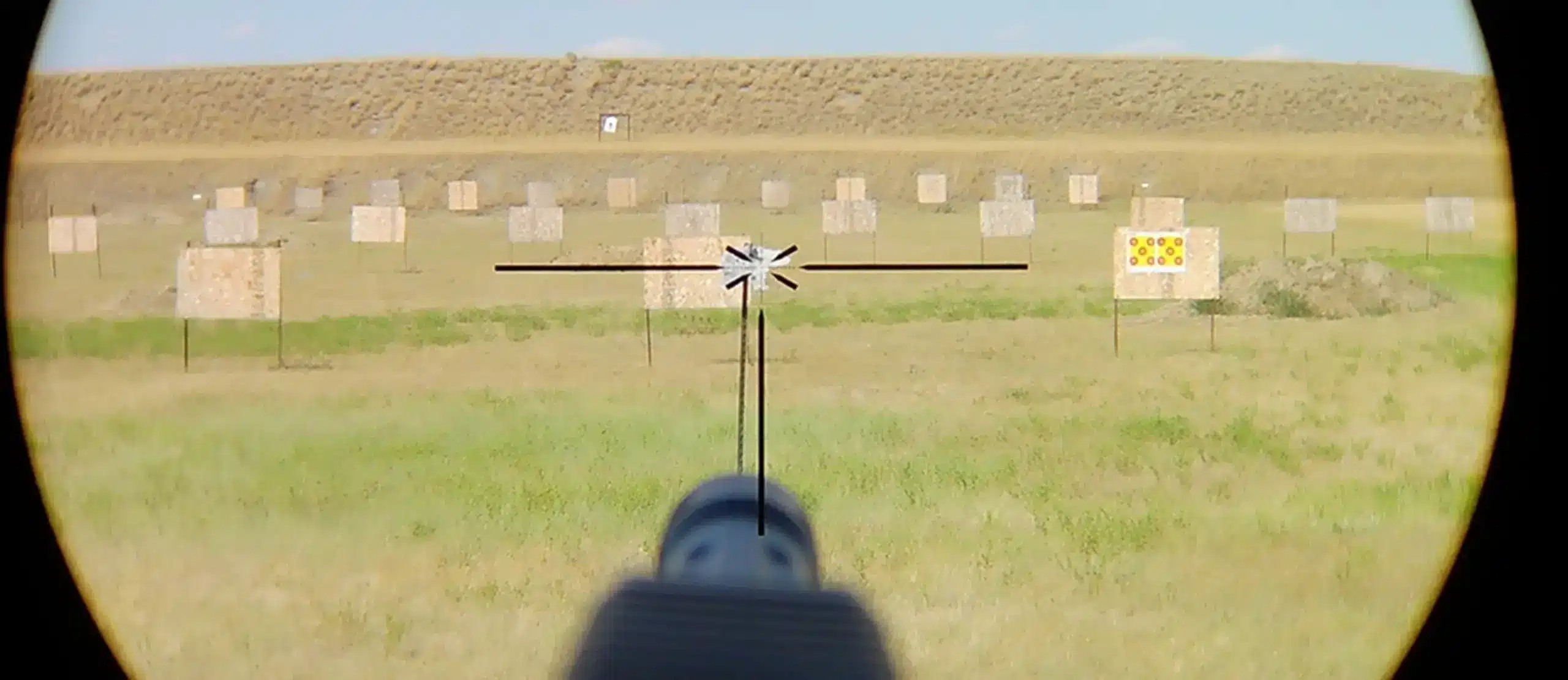
Comparing Optical Clarity: Red Dots vs. LPVOs vs. Scopes
When it comes to optical clarity, each type of optic offers unique advantages. Red dot sights excel in providing a clear and unobstructed view, allowing for rapid target acquisition and eye relief. However, they generally lack magnification, which can limit their effectiveness at longer distances.
LPVOs balance the clarity of optics with the versatility of magnification. They provide excellent image quality across different magnification levels, making them a solid choice for shooters who need flexibility. Long-range scopes, on the other hand, are engineered for precision, often featuring superior lens quality and coatings that enhance light transmission and minimize distortion. Understanding these differences can help you choose the optic that best meets your shooting requirements.
Budget Considerations: Choosing the Right Optic for You
When selecting an optic, budget is often a significant factor in the decision-making process. Optics are available in a wide range of prices, and while it’s tempting to opt for the cheapest option, investing in a quality optic can greatly enhance your shooting experience. Generally, higher-priced optics offer better durability, optical clarity, and features that can improve accuracy.
Consider what features are most important to you based on your shooting activities. For casual shooters, a mid-range optic may be sufficient, while avid hunters or competitive shooters may benefit from spending more on a high-performance optic. Always weigh the cost against the benefits to ensure you are making a prudent investment.
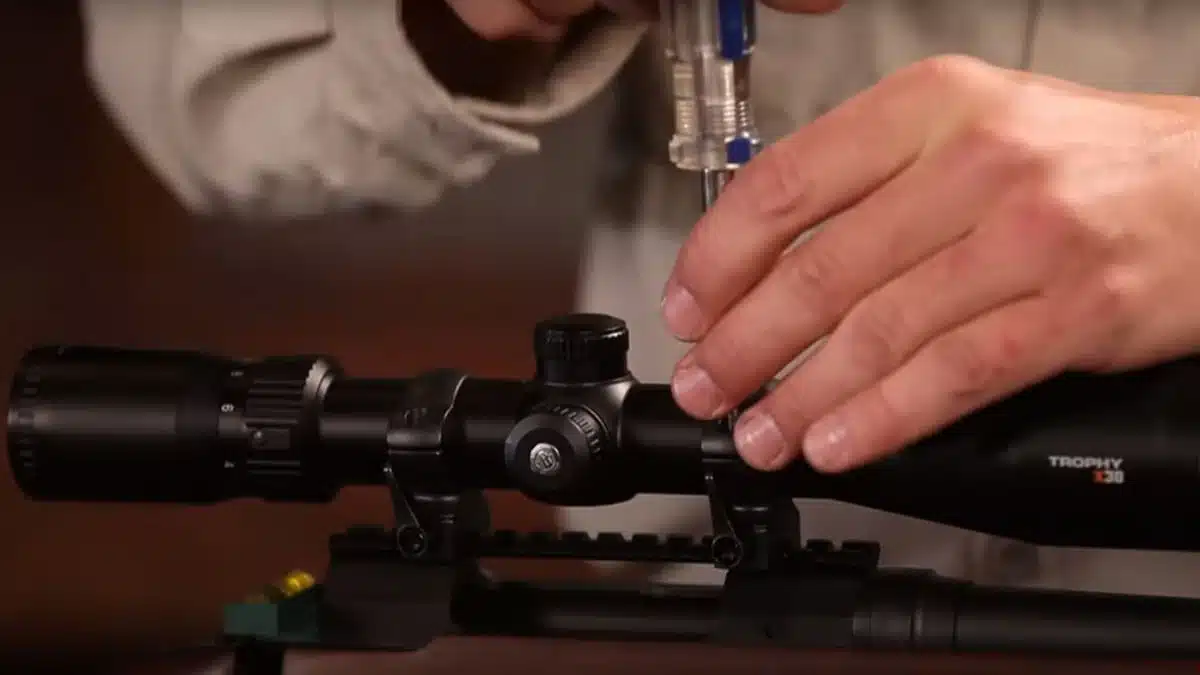
Installation Tips for Your New Optic: A Step-by-Step Guide
Proper installation of your chosen optic is essential for achieving the best performance from your firearm. Begin by gathering the necessary tools, which typically include a torque wrench, mounting rings, and a level. Before installation, ensure the firearm is unloaded and safe to handle.
Start by attaching the base to the rifle using the appropriate screws, tightening them to the manufacturer’s specifications. Next, mount the optic in the rings and adjust it for optimal eye relief, making sure it is level before securing the rings. Once installed, take the time to boresight your optic to ensure it is properly aligned, setting you up for success on the range or in the field.
Conclusion: Making the Best Choice for Your Needs
Choosing the right optic for your firearm ultimately depends on your shooting style and intended use. Red dots, LPVOs, and long-range scopes each offer unique advantages that cater to different shooting scenarios. By understanding the features and benefits of each type of optic, you can make an informed decision that enhances your shooting capabilities.
Remember to consider factors such as optical clarity, budget, and installation when selecting your optic. With the right choice, you will not only improve your accuracy but also enjoy a more rewarding shooting experience.
In conclusion, selecting the right optic requires careful consideration of your shooting needs, preferences, and budget. By understanding the differences between red dots, LPVOs, and long-range scopes, you can make an informed choice that enhances your shooting performance. Whether you’re hunting, competing, or simply practicing at the range, the right optic can make all the difference.
For further information and to deepen your understanding of optics, consider exploring the following resources:
- The Optics Planet Blog
- NRA Gunsmithing: Optical Sight Installation
- Vortex Optics: Understanding Magnification and Reticles
FAQ: Common Questions About Optics for Firearms
What is the best optic for beginners?
A red dot sight is often recommended for beginners due to its simplicity and ease of use.
Can I use a red dot sight for long-range shooting?
While red dots are primarily designed for close-range engagements, they can be used for longer shots with practice, but a long-range scope will generally provide better precision.
How do I maintain my optics?
Regularly clean the lenses with a microfiber cloth, store the optic in a protective case, and check for any loose mounting screws to ensure optimal performance.
What is the difference between first and second focal plane scopes?
First focal plane scopes adjust the reticle size with magnification, while second focal plane scopes keep the reticle constant, affecting how you use the reticle at different distances.
Do I need to get my optic professionally installed?
While many shooters can install optics themselves, if you’re unsure or uncomfortable, seeking professional installation can ensure optimal alignment and performance.